For US homeowners renting out an entire home long-term
How to Rent Out Your House
Follow the six-step plan, or let Nmbr's AI leasing agent handle the listing and renter follow-up. You approve the tenant and sign.
Next: share your property address or Zillow link in the Nmbr chat.
The short answer
Check that you can rent the house and fund the costs. Then prepare it, price and advertise it, review applicants consistently, and complete the lease and handover. Decide who will handle the leasing work before inquiries arrive.
Still deciding? Check the budget. Ready to rent? Choose who handles the work.
Keep the decisions. Hand over the follow-up.
Nmbr helps prepare and publish your listing, respond to renters and coordinate next steps. You arrange access, approve the tenant and sign.
$499 once per listing · Service and refund terms
Your six-step plan: from owner to landlord
01Confirm you can rent the houseCheck your lender, association, insurer and local requirements.
Before promising a move-in date, check the documents and requirements that apply to your property. An online guide cannot confirm these for your address.
| Check | Where to verify | What you need before proceeding |
|---|---|---|
| Loan and occupancy terms | Loan documents and lender | Confirmation that your proposed rental use meets your terms |
| HOA or condo restrictions | Governing documents and association | Any required approval and rental restrictions |
| Local rental requirements | City or county housing/building department | Applicable registration, inspection, licensing, and safety requirements |
| Insurance | Your insurer | Coverage appropriate for the rental use |
Loan and occupancy terms
- Where to verify
- Loan documents and lender
- What you need before proceeding
- Confirmation that your proposed rental use meets your terms
HOA or condo restrictions
- Where to verify
- Governing documents and association
- What you need before proceeding
- Any required approval and rental restrictions
Local rental requirements
- Where to verify
- City or county housing/building department
- What you need before proceeding
- Applicable registration, inspection, licensing, and safety requirements
Insurance
- Where to verify
- Your insurer
- What you need before proceeding
- Coverage appropriate for the rental use
Your output: a record of the applicable requirements, any approvals needed, and unresolved items with a contact and next action. Resolve those items before making a binding rental commitment.
02Check costs and set the rentCompare nearby rentals and budget for an extra empty month.
Your mortgage payment is a cost, not proof of what a renter will pay. Compare similar nearby homes by bedrooms, condition, location, amenities, and lease terms. Asking prices are a starting point, not evidence that those homes rented at that amount.
Use the worked budget below and the guide to how much to charge for rent.
Your output: an asking rent supported by saved comparable listings, an annual cash budget, and a vacancy scenario you can fund. Keep a separate list of costs due before the first rent arrives.
03Prepare and document the houseFinish essential repairs and take accurate, current photos.
Resolve safety and maintenance issues, clean the property, and decide what is included: appliances, parking, utilities, outdoor upkeep, and any furnishings. Set an availability date you can meet.
Take clear, current photos that show the layout and condition accurately. Keep a dated condition record for the handover. If an image is virtually furnished, disclose that clearly; it is not a substitute for an accurate view of the actual property.
Your output: completed essential repairs, accurate listing photos, a dated condition record, and a realistic availability date.
04Publish and plan your repliesState the rent and terms; decide who replies to inquiries.
Include rent, availability, lease term, property features, relevant fees, and a clear way to inquire. Describe the home rather than preferences about who should live there. Federal fair housing protections and additional state/local rules can affect advertising and applicant selection. Federal fair housing overview.
Choose relevant rental listing sites and use a clear rental description. Publication makes the offer visible; it does not guarantee inquiries.
Your output: a complete listing, a working contact route, and a named person or service responsible for responses. Decide who can provide property access before offering showings.
05Show the home and review applicantsSet showing times and review applicants consistently.
Set showing availability and track each inquiry's next action. Prepare written, lawful selection criteria and an application process before reviewing candidates. Collect only information needed for that process, handle it securely, and document decisions consistently. Use the finding-tenants plan and tenant screening checklist for the detailed workflow.
If you use consumer reports, check permissible-purpose and notice obligations. An adverse decision based partly on a report can require an adverse-action notice, including in situations involving different deposit or co-signer requirements. FTC guidance for landlords.
Your output: an inquiry/showing log, completed permitted checks, and a documented selection decision with any required notices. Pre-screening support does not replace the owner's final decision.
06Sign and hand over the homeComplete required documents, record condition and arrange access.
Prepare a lease and required disclosures suitable for the property and jurisdiction. Check the parties, rent and due date, lease dates, deposit arrangements, utility responsibilities, and maintenance/access terms. Obtain local professional review where needed; this list is not a complete legal checklist.
Your output: signed documents, payment/deposit records handled under applicable rules, a move-in condition record, and a handover plan for keys, utilities, and contacts. Assign ongoing rent administration, repairs and emergencies before move-in.
Will the rent cover the real cost of owning the house?
Illustrative budget, not a forecast for your home.
- Asking rent
- $2,500per month
- One vacant month
- $1,501annual cash remaining
- Two vacant months
- −$999annual cash remaining
One extra empty month turns this example negative. The first scenario averages about $125 per month after the stated costs and reserves. Use your own bills before deciding.
Assumptions and full cost breakdown
Illustrative cash budget, not a customer result or a market benchmark.
This fictional home asks $2,500 per month. Assume one vacant month, full collection for the other eleven, and no HOA fee, owner-paid utilities, or ongoing management fee.
| First-year item | Annual amount |
|---|---|
| Scheduled rent: $2,500 × 12 | $30,000 |
| Less one vacant month | -$2,500 |
| Rent collected | $27,500 |
| Mortgage principal and interest: $1,500 × 12 | -$18,000 |
| Property tax | -$3,600 |
| Landlord insurance | -$1,200 |
| Maintenance budget | -$1,500 |
| Major-repair reserve | -$1,200 |
| Leasing allowance, using Nmbr's current one-time fee | -$499 |
| Cash remaining after these costs and reserves | $1,501 per year |
That is about $125 per month, averaged over the year. With two vacant months instead of one, the same budget becomes negative $999.
Replace every assumption with your own figures. If tax and insurance are already in your mortgage payment, do not count them twice. Add HOA, utilities, management, initial make-ready work, and other applicable costs. This example excludes income tax and unexpected costs above the budgets shown. Reserves are money set aside, not necessarily money spent.
This is cash planning, not taxable profit or net operating income. Maintain separate records and check the IRS rental-income guidance or your tax adviser.
Turn the example into your decision
Gather these figures for your own home:
- Rent: comparable asking rents and the number of occupied months you are budgeting for.
- Bills: mortgage, tax, insurance, HOA, utilities and any management fees. Avoid counting escrow items twice.
- Before move-in: repairs, cleaning, leasing costs and bills due while the house is empty.
- Reserves: maintenance and major repairs, plus cash to cover another vacant month.
Subtract costs and reserves from collected rent, then repeat with one fewer occupied month. Can you fund that vacancy and the costs due before move-in? If not, revisit the budget before listing. An annual average is not cash in your account every month.
Budget works? Choose who will handle the leasing work.
A higher asking rent can produce less first-year rent
Compare the same twelve-month period in this separate illustration:
| Hypothetical start | Occupied months | Gross rent collected |
|---|---|---|
| $2,400 per month, starting now | 12 | $28,800 |
| $2,500 per month, starting one month later | 11 | $27,500 |
$2,400 per month, starting now
- Occupied months
- 12
- Gross rent collected
- $28,800
$2,500 per month, starting one month later
- Occupied months
- 11
- Gross rent collected
- $27,500
The lower-rent scenario collects $1,300 more during that period. Neither start date is guaranteed; the example assumes full collection and excludes expenses.
The lesson is not "always lower the rent." Compare price and likely vacancy together, then reassess using actual renter interest and comparable homes.
Choose who will do the leasing work
Choose the help that matches your time, location and responsibilities. Agent and management services vary by contract.
- Do it yourself: you have time to list, reply and arrange showings.
- Local leasing agent: you need local help marketing the home and running showings.
- Property manager: you need ongoing help with repairs, tenants and rent administration.
- Nmbr: you want listing and follow-up handled, and can arrange access. $499 per listing; you approve the tenant.
Nmbr handles leasing support, not ongoing property management. Arrange local access and ongoing care separately.
Compare responsibilities and costs
| Option | Consider it if | What to plan for |
|---|---|---|
| Do it yourself | You have time to list, reply and arrange showings | You handle leasing decisions, access and ongoing care |
| Local leasing agent | You need local help marketing the home and running showings | Agree on placement tasks, showing coverage and fees; arrange care after move-in |
| Property manager | You need ongoing help with repairs, tenant issues and rent administration | Confirm local coverage, placement fees, recurring fees and decision authority |
| Nmbr | You want listing and renter follow-up handled, and can arrange property access | $499 per listing; you approve the tenant and keep responsibility for access and ongoing care |
Do it yourself
- Consider it if
- You have time to list, reply and arrange showings
- What to plan for
- You handle leasing decisions, access and ongoing care
Local leasing agent
- Consider it if
- You need local help marketing the home and running showings
- What to plan for
- Agree on placement tasks, showing coverage and fees; arrange care after move-in
Property manager
- Consider it if
- You need ongoing help with repairs, tenant issues and rent administration
- What to plan for
- Confirm local coverage, placement fees, recurring fees and decision authority
Nmbr
- Consider it if
- You want listing and renter follow-up handled, and can arrange property access
- What to plan for
- $499 per listing; you approve the tenant and keep responsibility for access and ongoing care
Choose Nmbr for the leasing workload, not as a replacement for a full property manager. If you need someone to physically attend the house or manage repairs after move-in, arrange that separately and confirm responsibilities before starting.
Want the listing and follow-up handled?
Start with your address or Zillow link in the Nmbr chat.
Let Nmbr handle the listing and follow-up
Nmbr helps prepare and publish your listing, reply to renters and coordinate showings. You provide access, complete required checks and approve the tenant. Here is what that handoff looked like for one owner.
From renter interest to your next decision
- Inquiries
- 38
- Marked Qualified
- 8
- Showings
- 0
A single update, not a conversion funnel. Qualified is Nmbr's status, not final tenant approval.
Nmbr prepared a showing invitation
An interested renter, with two proposed times ready to review.
The owner decides and opens the home
Confirm the arrangement and decide who provides access.
Adapted report excerpt, not a product screenshot or a live booking tool. Proposed times were not confirmed bookings. One listing, not a typical result. View the anonymized source example
Historical proposed times
- Fri, Sep 11 · 10:30 AM
- Sat, Sep 12 · 9:00 AM
Listing photos: before and after
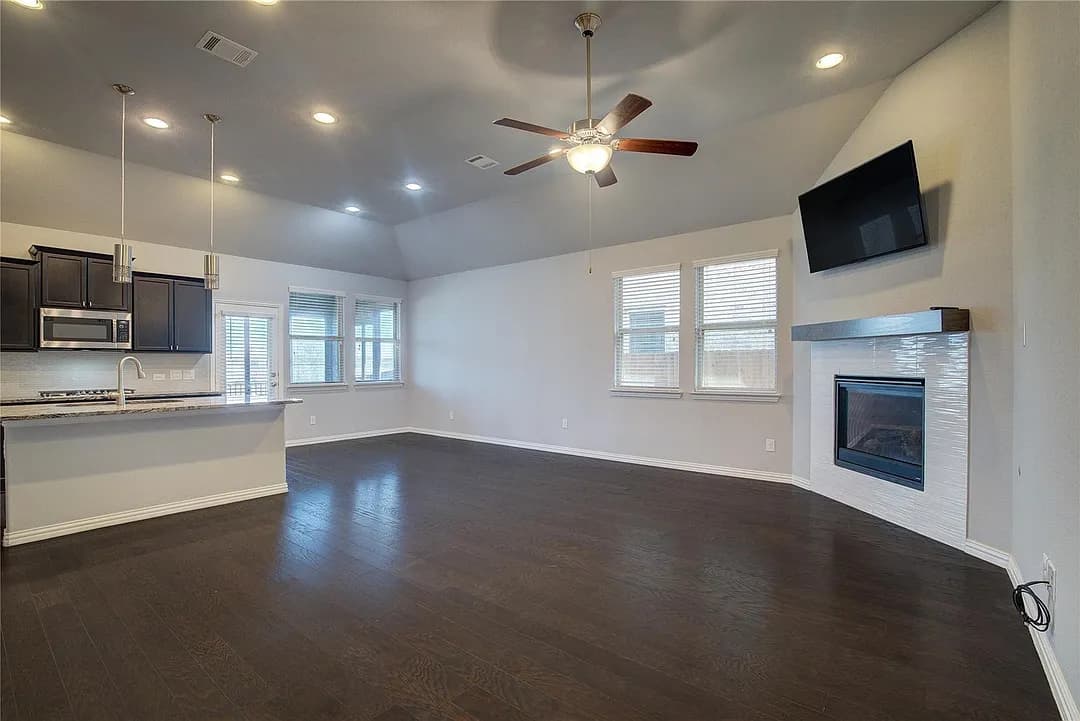
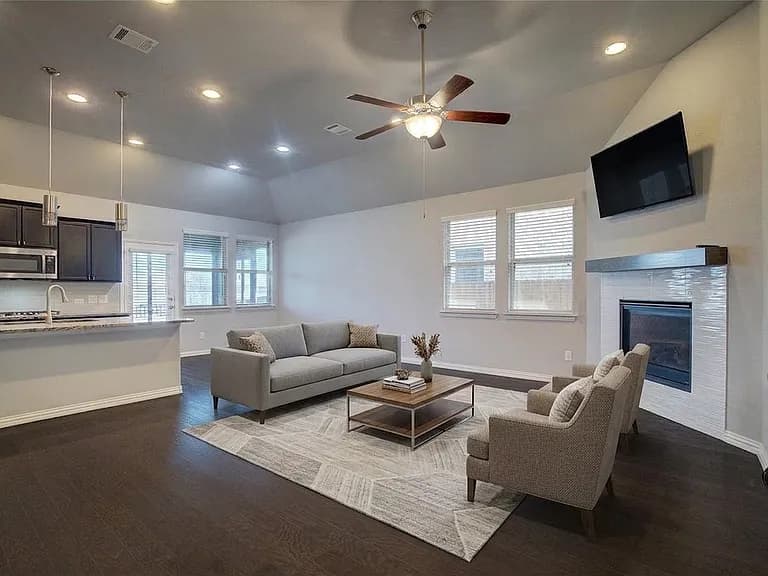
The same Garland living room before and after virtual furnishing. The home was advertised as unfurnished. This illustrates a photo change, not what caused the inquiries. Keep original, current property photos; the refund guarantee has separate qualifying-photo requirements. Photo requirements
Performance update and source details
In a real Garland, Texas listing, Nmbr presented an interested renter and two proposed showing times. The owner's next task was to review the times and arrange access.
September 9, 2026 update: 38 inquiries · 8 marked Qualified · 0 showings.
These are the statuses in that update, not a conversion rate or a typical result. Qualified is Nmbr's status, not final tenant approval; proposed times were not confirmed bookings. See the anonymized product example and source details.
One Nmbr rental leased within seven days
Colorado Springs: a different property from the Garland example.
Payment → confirmed viewing within seven days → lease signed immediately after that viewing, according to Nmbr's founder.
The viewing is supported by the internal report; the lease timing is founder-confirmed, not contract-audited. One result, not an average, guarantee or comparison with another service. Read the published case account.
$499 once per listing
No recurring Nmbr leasing subscription. A new listing requires a separate payment.
Not rented by the end of the 28-day guarantee period? Request a listing-fee refund, subject to eligibility and request requirements.
Start with your property location in the Nmbr chat: a full address or an existing Zillow link. Share accurate property details so Nmbr can help prepare the listing.
Eligibility and refund terms
The clock starts when payment, publication as available, and at least seven qualifying actual property photos are all in place. Owner cooperation and showing requirements apply. A fully signed lease through any source counts as rented. Request a refund through your authenticated account within 30 days after the period. The refund covers the listing fee, not optional services or third-party charges. Read the full refund policy.
Questions before renting out your house
Can I rent out a house that still has a mortgage?
Possibly, but the answer depends on your loan and occupancy terms. Review the documents and confirm your proposed use with the lender. Also check association restrictions, insurance, and local rental requirements. Do not assume another homeowner's situation applies to yours.
Can I rent out the house if I live somewhere else?
Plan who will provide access, respond to urgent problems, and handle maintenance locally. Coordinating a showing is not the same as physically attending it. Choose a manager or other appropriate local help if you cannot cover those responsibilities yourself.
What should I do if the house gets inquiries but no tenant?
Look at where progress stops. Check whether the listing answers renters' questions, whether suitable viewing times are available, whether follow-up happens, and whether price and terms fit comparable homes. Do not assume every problem needs a price cut. Use the rental advertising guide to review the listing and response process.
How long will it take to rent my house?
There is no reliable universal number. Location, price, condition, season, terms, and showing access affect the process. The seven-day Nmbr example above is an individual result, not your predicted timeline. Plan for vacancy and reassess with actual demand.
Can I start with Nmbr before I have a Zillow listing?
Yes. Start with your property address in the Nmbr chat; you do not need an existing Zillow link. Nmbr can help prepare the listing as well as handle renter follow-up.
Will Nmbr choose the tenant for me?
No. Nmbr supports pre-screening and coordination. You remain responsible for the final tenant decision, required checks, legal obligations, and signing the lease.
Ready to move from planning to listing?
Bring your property address. Let Nmbr help prepare the listing and handle the renter follow-up.
You approve the price, the tenant, and the lease.